
Everyone has the same 24 hours in a day. Even for the most successful leaders, carving out time to be productive is an intentional act; they have to be rigorous about how they produce and consume information, especially when everyone has demands on their time.
So, how do they do it? How do the busiest executives stay on top of everything they need to do without losing control of their schedules? Here are the top five productivity hacks we’ve learned from successful leaders around the world.
1. They’re Selective About Sources
The most successful leaders don’t consume everything. Instead, they identify a small number of high-signal sources that consistently deliver value.
Jamie Dimon, CEO of JPMorgan Chase, starts his day with the news to stay informed about market performance and the latest industry trends. However, he doesn’t read everything. Dimon only reads the front page of the Washington Post, the front section of the New York Times, and the front section of The Wall Street Journal before reading the Financial Times.

Not all news is useful. Beyond identifying the right sources, it’s important to identify the best parts of each source to maximize how much you learn. Try identifying the three most valuable, insight-dense sources in your field. These might be industry newsletters, articles from specific journalists, or even carefully curated lists on social media. The most important thing is to block out everything else; you can always add sources back later if you miss them.
2. They Structure Their Information Intake
Jeff Bezos is famous for running meetings that follow a very specific format. On the Lex Fridman Podcast, Bezos said that a typical meeting at Amazon or Blue Origin “starts with a six-page, narratively structured memo” that should be “written with such clarity that it’s like angels singing from on high.” Every meeting begins with a period of silent reading, where everyone can read through the same memo. That way, the discussion time in the latter half of the meeting is focused on questions that haven’t been answered already.
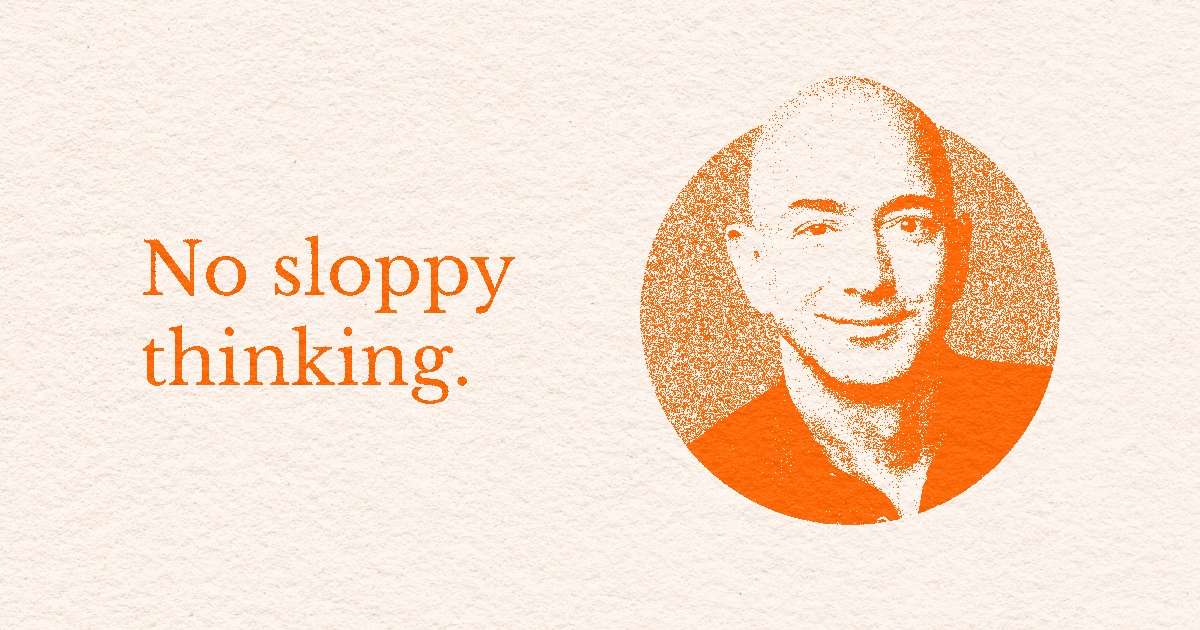
Bezos prefers this meeting and memo format because “it’s hard to hide sloppy thinking” and allows meeting attendees to focus on the work rather than the presentation format. When every meeting starts with a slide deck or document that’s slightly different, attendees have to ramp up on the new format before getting to the substance of the meeting. To save time and maximize productivity, Bezos prefers to keep things consistent.
When learning something new, try absorbing the information in a structured format that works for you. If you use products like Claude or ChatGPT, you can ask it to present information in a specific format; for example, you might say “I’d like to learn about the Second Brain Method, please structure your explanation as follows: one-line summary, key concepts, and quotes from experts who’ve implemented the method.” With the help of AI, you don’t have to be Jeff Bezos to learn more in less time.
3. They Delegate Decisively
Sara Blakely, founder of Spanx, has talked a lot about delegation. In her twenties, she took stock of what she was good at, what she didn’t enjoy, and made a promise to herself to delegate what she didn’t enjoy as soon as she could afford it. She’s said that “if somebody can do something 80% as good as you… then you’ve got to let it go.” That way, you can make room for the work that feels like play to you.
Mary Barra (CEO of General Motors) and Indra Nooyi (Former CEO of PepsiCo) have shared similar lessons in their talks and books, and use delegation as a way to let people on their teams own large bodies of work.

Delegating doesn’t have to mean assigning work to other people; it can mean leveraging existing platforms and products to filter through the noise for you. For example, newsletters like Hacker Newsletter hand-pick the best articles from Hacker News every week. Rather than browsing Hacker News every day yourself— hunting for the best content, and perhaps reading a lot of low-value content along the way— you can delegate the work to Kale Davis and his team.
The next time you’re researching a new topic, see if people have made videos or written articles that reference high-quality sources you can browse. When you use existing products and tools to separate the signal from the noise, you can learn quickly and save time.
4. They Do Fewer Things Better
Warren Buffett has a “2-List” strategy that everyone can learn from. Here’s what the strategy looks like: make a list of all of your top priorities, then circle the five most pressing ones. The five that you circled fall into one list— these are your priorities. Everything you didn’t circle falls into what Buffett calls the “Avoid-At-All-Cost” list; these are distractions that will prevent you from making progress on the priorities you circled.
Sheryl Sandberg (former COO of Meta) talks about similar strategies in her books, and “Ruthless Prioritization” continues to be a key company value for Meta based on Sandberg’s wisdom.
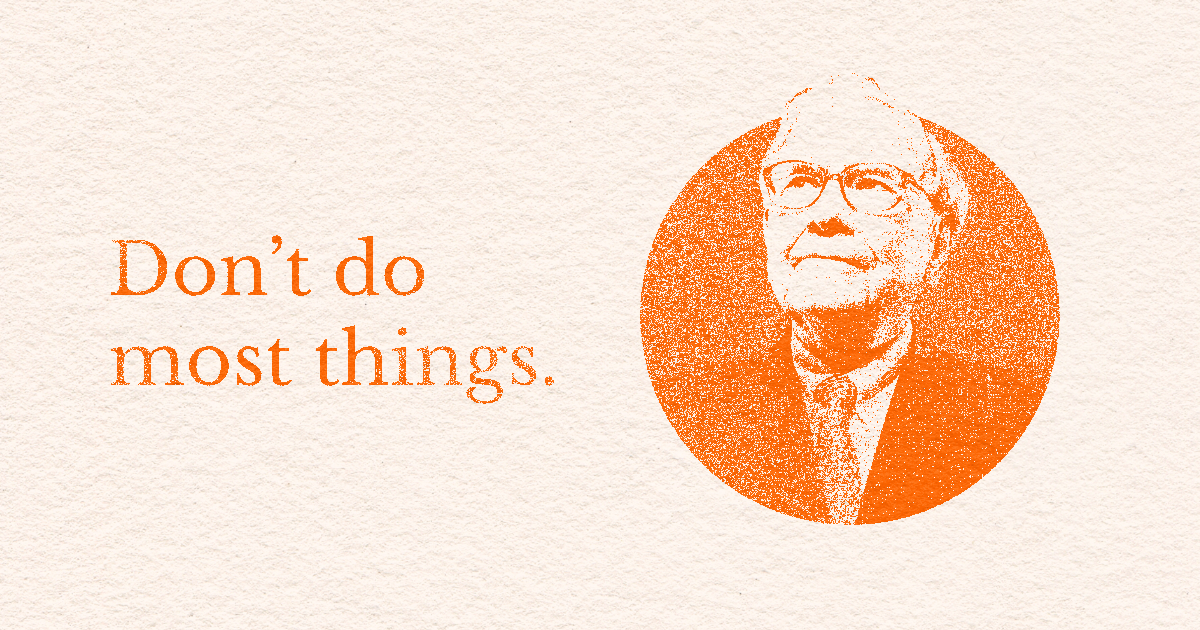
How does this idea apply to what we do every day? While some content is worth reading or watching, most content on the Internet is littered with distractions. The next time you come across a long article or video, before you dive in, ask yourself: is this truly worth my time? Do I need to consume all of this in order to get value from it? When the answer is a resounding yes , by all means, read or watch guilt-free. When the answer is no, close the tab without giving it a second thought— these are distractions that don’t deserve your attention.
There is a middle ground, however: when you don’t think the content is worth your time, but you’re still curious about the highlights, consider using a smart summarizer to distill the key takeaways for you.
5. They Prioritize Their Wellbeing
This lesson is perhaps the most counterintuitive, since many of us are used to sacrificing sleep for work, scarfing down meals while drafting emails, or otherwise allowing work to take up more room in our lives. But if your aim is to stay productive for as long as possible, it’s in your best interest to take care of yourself.
When reflecting on a decade of self-improvement, Tim Ferriss highlighted how positive routines— from physical activities and exercise to deliberate cold exposure— helped him maximize his productivity and improve his mental health. Ferriss reinforces that this doesn’t have to be complicated: he focuses on the “lead domino,” or the big decisions that resolve the smaller decisions automatically, and prioritizes wellness routines that he can do for long periods of time. From his perspective, a strong mental state is the key to high performance.
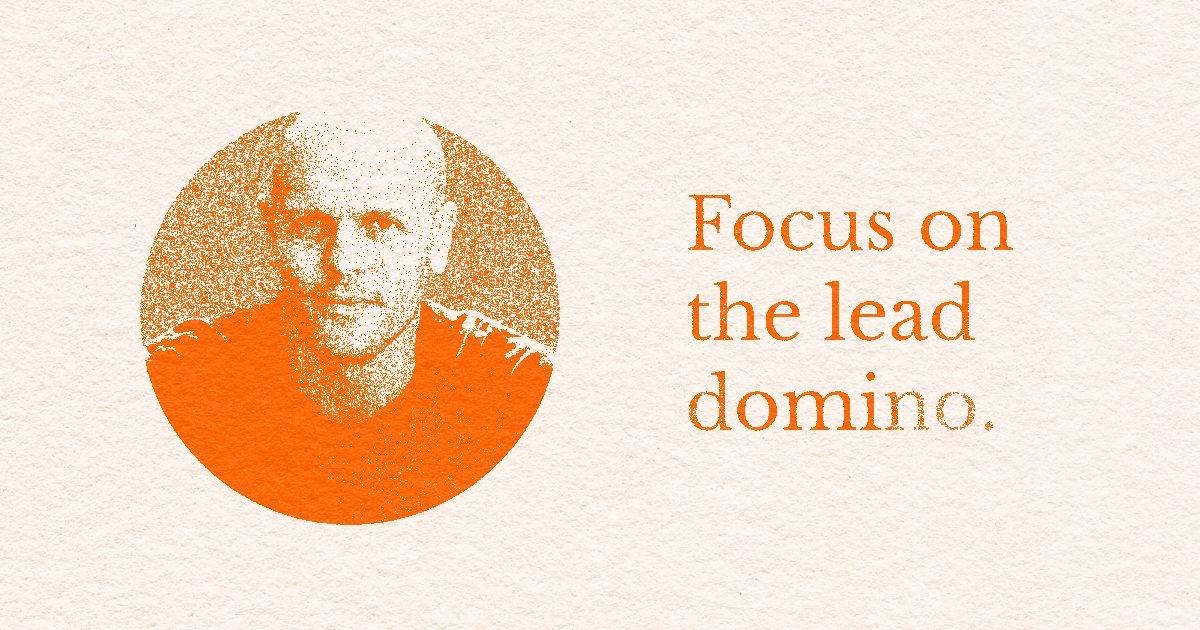
One of the biggest “lead dominos” in modern life is what we consume online. Our worldviews are shaped by what we watch and read on the Internet, and when most digital products and creators are vying for our attention, it’s more important than ever to be mindful about what we consume and how we consume it.
If you’re curious about reclaiming control of your time and attention, it’s okay to start small. Apple’s Screen Time on iPhone and iPad is a great way to audit the time you spend on your devices; from there, you can choose what to keep doing, what to stop doing, and how to get even more of your time back. Once you’re in control of your time and attention, you can effortlessly direct your energy to the people and things that matter most to you.
When most digital products and creators are vying for our attention, it’s more important than ever to be mindful about what we consume and how we consume it.
The best part about improving your own productivity is that you can start from where you are, right now. You don’t have to be a world-famous CEO to operate like one!
To summarize the key points…
Be selective about your sources - Once you’ve identified the right sources, you can also identify the best sections from each source to maximize how much you learn.
Structure how you consume information - Find a format that works for you, and leverage new technology to structure information in that format to separate signal from the noise.
Delegate through existing channels - You can delegate to others, but you can also delegate by leaning on existing creators and information channels. Find people who are doing the hard work for you.
Do fewer things better - Focus on what matters and ignore the rest. This applies to long-term goals, day-to-day tasks, and even what you consume online.
Prioritize your wellbeing - To be as productive as possible for as long as possible, it’s important to ensure that your mental and physical states are as strong as they can be.
In the spirit of Buffett’s wisdom, take what resonates from this article and leave the rest behind. When it comes to productivity, you’ll know you’ve succeeded when you can spend your time and attention on the people and things that truly matter to you.